Recent Updates Page 19 Toggle Comment Threads | Keyboard Shortcuts

  • Unknown's avatar

    Juri Katchanov 5:57 pm on October 18, 2020 Permalink | Reply
    Tags: DIC   

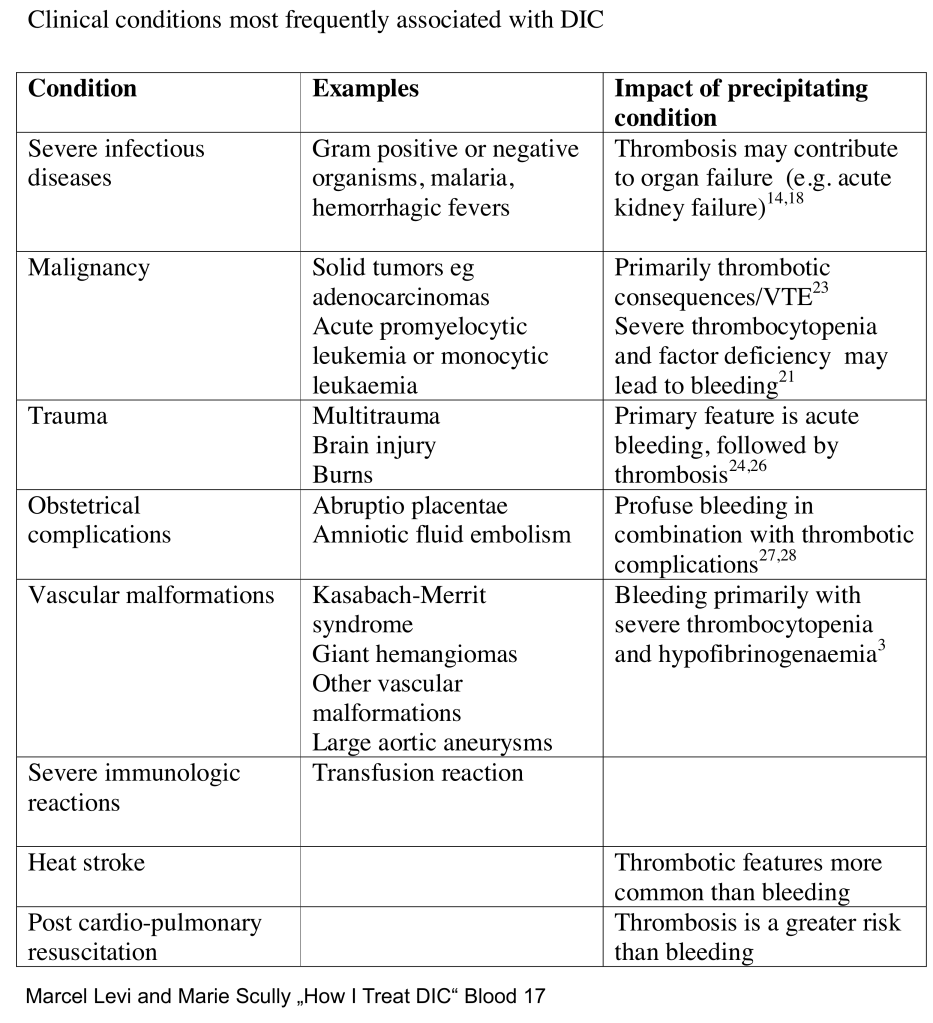
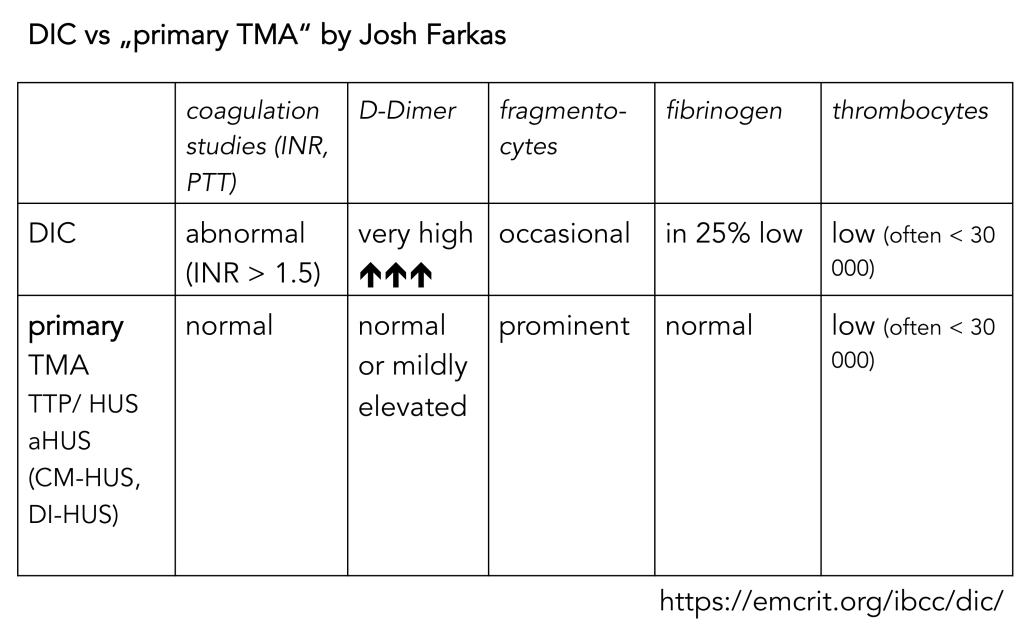
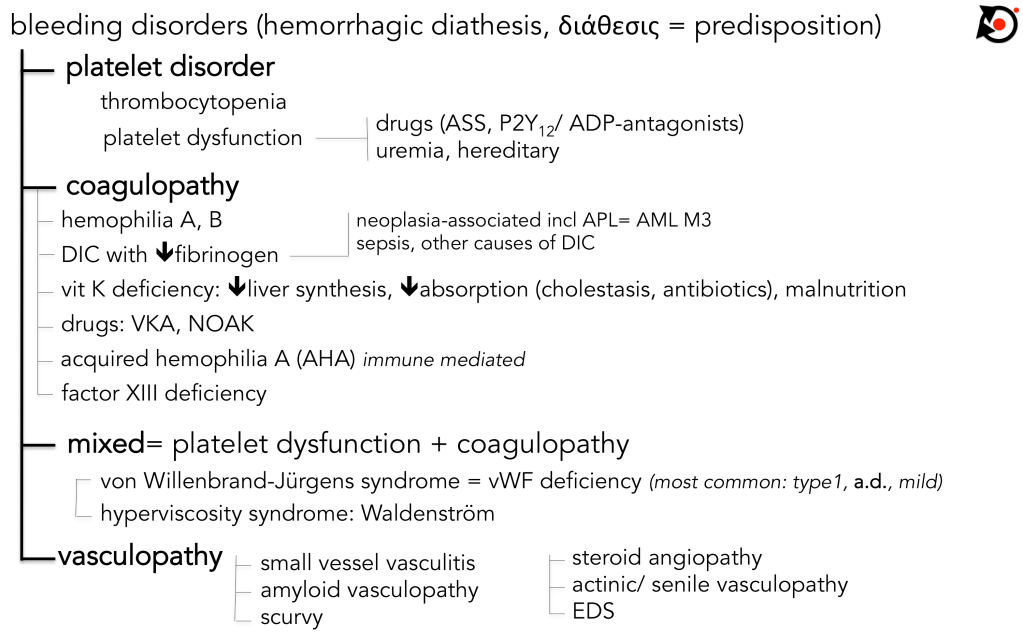
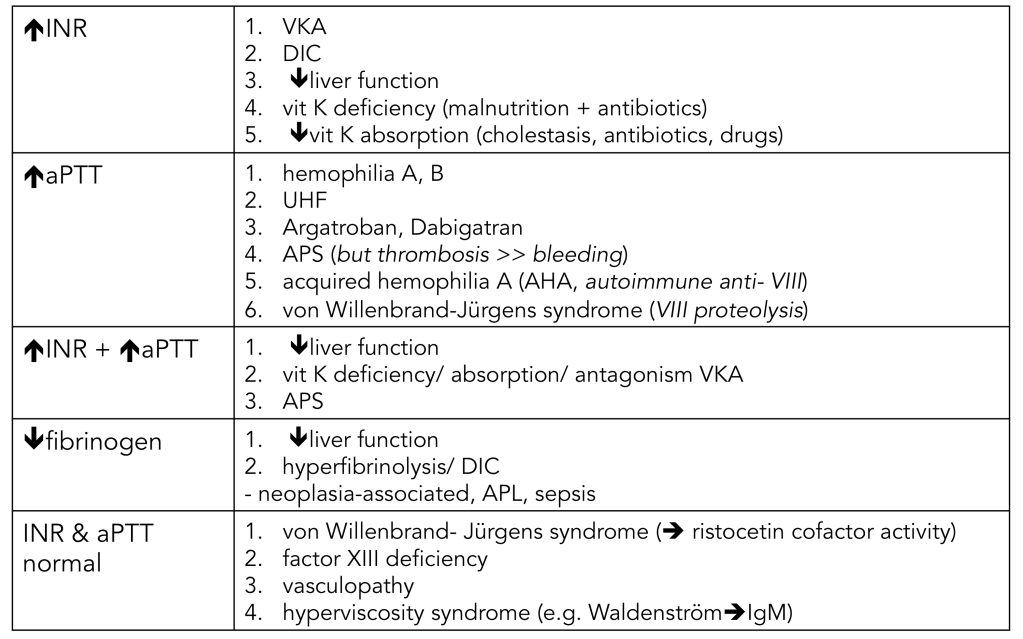
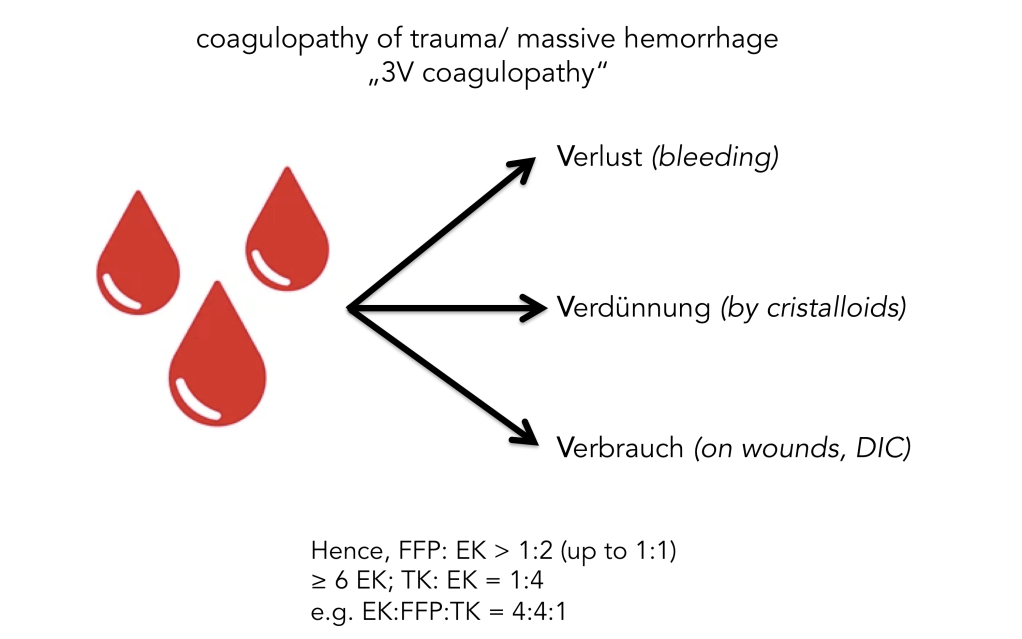
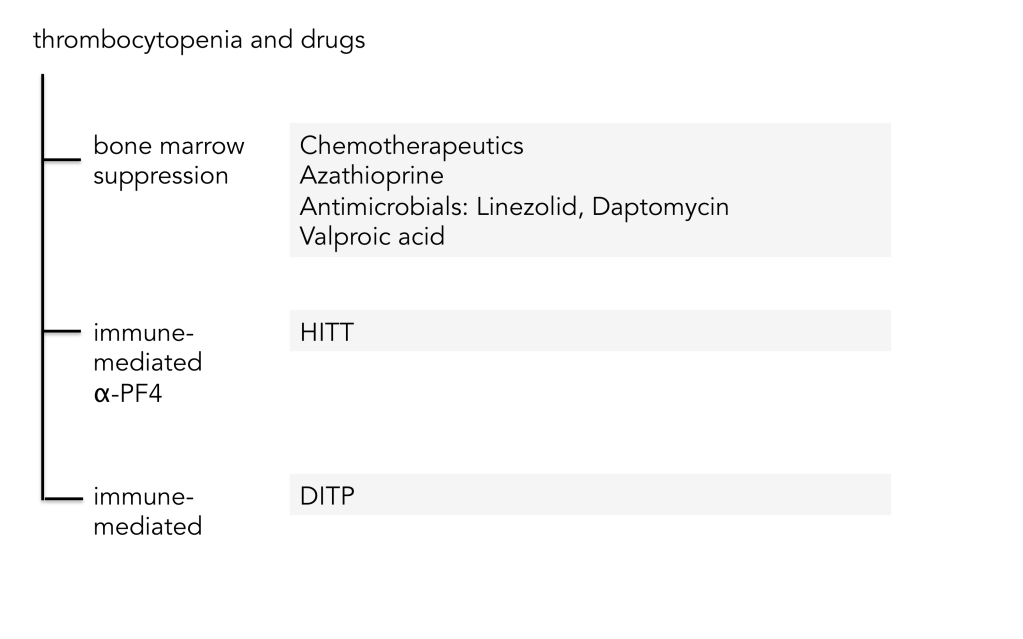
    DIC 

    https://www.mdcalc.com/isth-criteria-disseminated-intravascular-coagulation-dic

    https://onlinelibrary.wiley.com/doi/10.1111/jth.12155

    Role of plasma, fresh frozen plasma (FFP), coagulation factors, and platelets

    2013

    Recommendations:

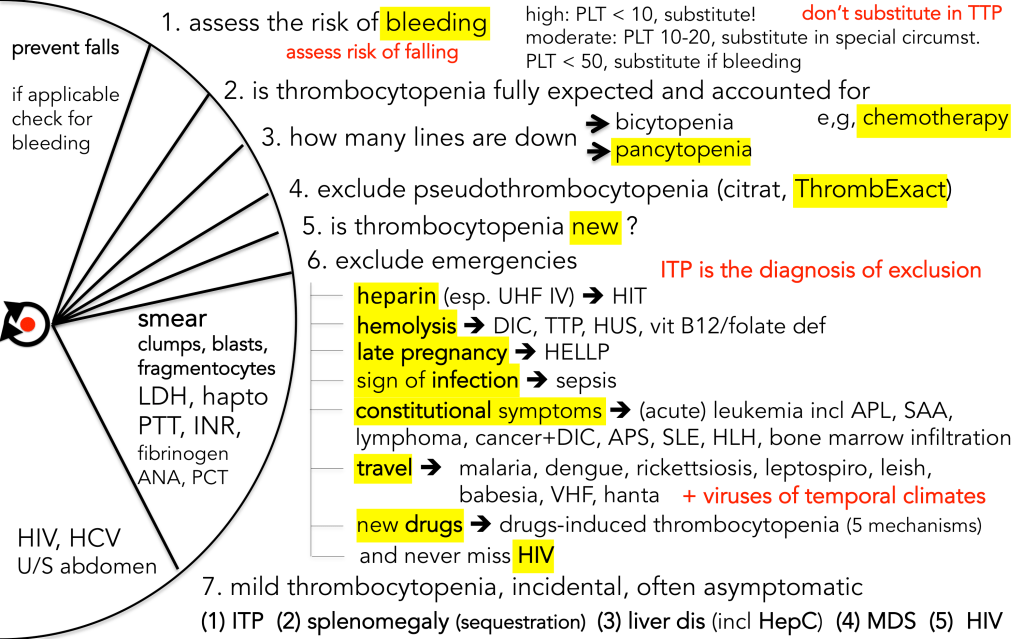
    1. The transfusion of platelets is recommended in DIC patients with active bleeding and a platelet count of <50 × 109 L−1 or in those with a high risk of bleeding and a platelet count of <20 × 109 L−1 (low quality).
    2. The administration of FFP may be useful in patients with active bleeding with either prolonged PT/APTT (>1.5 times normal) or decreased fibrinogen (<1.5 g dL−1). It should be considered in DIC patients requiring an invasive procedure with similar laboratory abnormalities (low quality).
    3. The administration of fibrinogen concentrate or cryoprecipitate may be recommended in actively bleeding patients with persisting severe hypofibrinogenemia (<1.5 g L−1) despite FFP replacement (low quality).
    4. Prothrombin complex concentrate (PCC) may be considered in actively bleeding patients if FFP transfusion is not possible.

    The threshold for transfusing platelets depends on the clinical state of the patient. In general, platelet transfusions are administered to patients who are actively bleeding and who have a platelet count of <50 × 109 L−1. A much lower threshold of 10–20 × 109 L−1 is adopted in non-bleeding patients, on the basis of RCTs in patients with thrombocytopenia following chemotherapy. Platelets may be administered at higher levels than this in patients perceived to be at high risk of bleeding on the basis of other clinical and laboratory features.

    It may be necessary to use large volumes of plasma to correct the coagulation defects shown by prolonged APTT or PT, or a decreased fibrinogen level. Initial doses of 15 mL kg−1 of FFP are suggested, although there is evidence that a dose of 30 mL kg−1 produces more complete correction of coagulation factor levels. In this regard, the consequences of volume overload may have to be considered.

    Smaller volumes of PCC may be useful in this setting, although these products lack certain essential coagulation factors, such as factor V. Specific deficiencies in fibrinogen can be corrected by administration of purified fibrinogen concentrates or cryoprecipitate.

    The response to component therapy should be monitored both clinically and by repeating platelet counts and coagulation tests following administration of these components.

    The efficacy and safety of recombinant FVIIa in DIC with life-threatening bleeding are unknown, and it should be used with caution, or as part of a clinical trial.

     
  • Unknown's avatar

    Juri Katchanov 1:44 pm on October 11, 2020 Permalink | Reply  

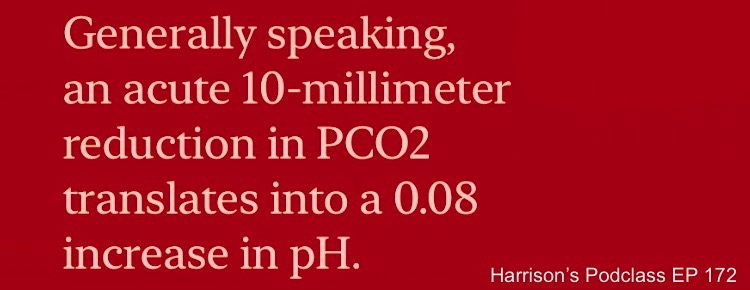
    respiratory alkalosis 

     
  • Unknown's avatar

    Juri Katchanov 6:56 am on October 11, 2020 Permalink | Reply  

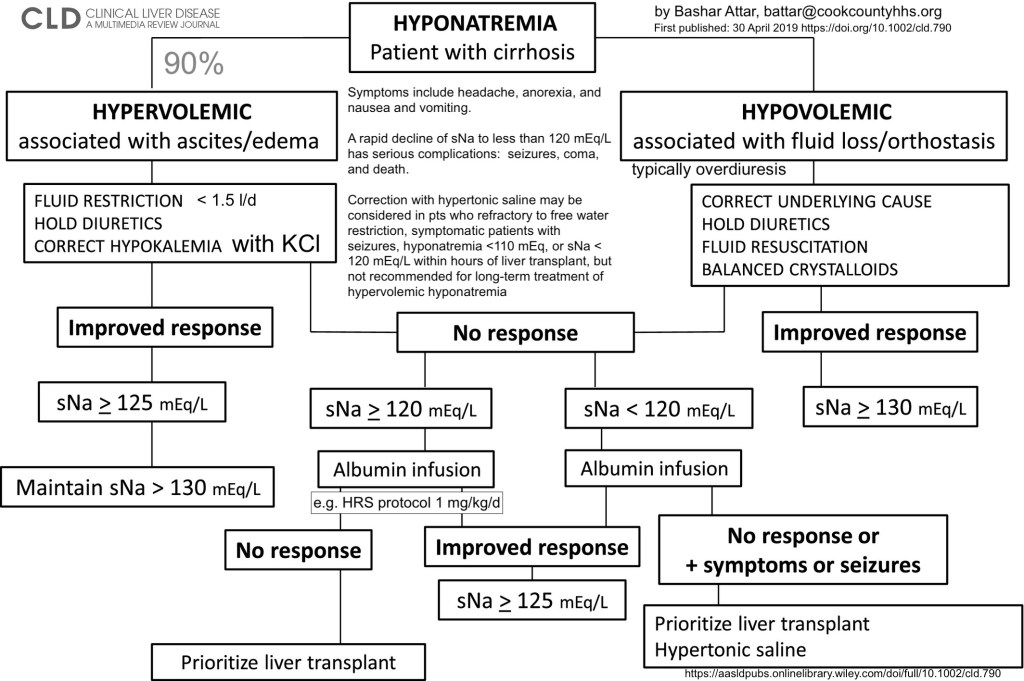
    hyponatremia in cirrhosis 

     
  • Unknown's avatar

    Juri Katchanov 12:18 pm on October 10, 2020 Permalink | Reply  

    patient with alcohol use disorder in the ED 

     
  • Unknown's avatar

    Juri Katchanov 7:07 pm on October 9, 2020 Permalink | Reply  

    hemoptysis 

     
  • Unknown's avatar

    Juri Katchanov 12:01 pm on October 8, 2020 Permalink | Reply  

    leg edema 

     
  • Unknown's avatar

    Juri Katchanov 11:12 am on October 8, 2020 Permalink | Reply  

    DD arthritis in the ED 

    HOA hypertrophic osteoarthropathy
    PPP syndrome: pancreatitis (+ pancreatic cancer), panniculitis (subcutaneous fat necrosis), polyarthritis with peri-arthritis (often oligoarthritis) due to fat necrosis with high lipase. Eosinophilia possible (Schmid triad in pancreatic cancer: subcutaneous fat necrosis („erythema nodosum-like“), polyarthritis, eosinophilia).

    https://www.mdcalc.com/acute-gout-diagnosis-rule

     
  • Unknown's avatar

    Juri Katchanov 5:55 am on October 6, 2020 Permalink | Reply  

    shock – think of A. S.H.O.C.K.E.D.! 

    _____________________________________________________________________________________________________________

     
  • Unknown's avatar

    Juri Katchanov 8:27 am on October 5, 2020 Permalink | Reply  

    polyuria 

    https://link.springer.com/article/10.1007/s41969-020-00106-9

     
  • Unknown's avatar

    Juri Katchanov 10:46 am on October 4, 2020 Permalink | Reply  

    metabolic alkalosis 

    by Calgary Black Book

    Joel Topf:

    No metabolic alkalosis without hypokalemia/ potassium depletion.

    No reversal of metabolic alkalosis without K+ repletion with KCl and Mg.

     
c
Compose new post
j
Next post/Next comment
k
Previous post/Previous comment
r
Reply
e
Edit
o
Show/Hide comments
t
Go to top
l
Go to login
h
Show/Hide help
shift + esc
Cancel
Design a site like this with WordPress.com
Get started